
"Gitesi Wash Station"
11000 article(s) found

Description of flavor of coffee beans in Rwanda introduction of grinding scale of taste treatment method in manor area
Rwanda is a small African country, and the local people are relatively poor, but it produces straight and very good coffee. Unlike its neighbors Kenya and Ethiopia, Rwanda's coffee is mainly round bourbon. The taste is not as prominent as Ethiopia and Kenya, but the evenness is excellent. Karnogi coffee in Rwanda is grown and harvested by local small farmers and is produced by Git
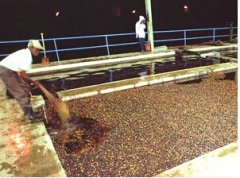
Rwanda coffee beans grow coffee beans wash Arabica coffee high quality coffee beans taste
Since the 1920s, Arabica coffee grown in Rwanda has been famous for its unique fruit sweetness and rich grass aroma. In recent years, the Rwandan government has taken positive measures to vigorously promote coffee production, set up coffee production cooperatives in various places, and give technical guidance and financial support to farmers, so that coffee production has made considerable progress. University of Rwanda
What's so special about Rwandan coffee? Rwanda coffee is not sour.
Karnogi coffee in Rwanda is grown and harvested by local small farmers, and Gitesi Washing Station is responsible for washing. Although this is a relatively young coffee processing plant, it has always been famous for producing quality Rwandan coffee because of its responsible working attitude, good treatment equipment and standard processing procedures. Rwanda Karnogi coffee was launched at CoE in 2013.

Description of planting history by variety treatment of Rwandan coffee beans
Professional baristas please pay attention to the coffee workshop (Wechat official account cafe_style) Bourbon accounts for more than 90% of Rwanda's production. A small number of farmers grow bourbon variants BM-139 and Jackson. There are more mountains in the south and west, and water washing stations are also more famous. For example, Gitesi, Huye Mountain, Mibirizi, etc. Stone is common in Central America.

What is the introduction of Rwandan coffee varieties? flavor description treatment method planting historical manor information
Professional baristas please pay attention to the coffee workshop (Wechat official account cafe_style) Bourbon accounts for more than 90% of Rwanda's production. A small number of farmers grow bourbon variants BM-139 and Jackson. There are more mountains in the south and west, and washing stations are also famous. For example, Gitesi, Huye Mountain, Mibirizi, etc. Stone is common in Central America.

Introduction of Rwandan coffee beans in the form of washed Arabica coffee beans
Rwanda coffee is absolutely high quality in the form of washed Arabica beans. As far as Africa is concerned, its coffee industry is remarkable because the country thrives mainly by producing the best possible coffee beans. Coffee from Rwanda is becoming more and more popular in the international market. The mission of the Rwandan Coffee Association is to manage and supervise the coffee industry in Rwanda from production to sales.
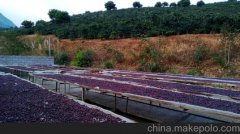
Green grass fragrant Rwanda maraba fine coffee cultivation climate altitude profile
Rwanda Karnogi coffee is grown and harvested by local smallholders and washed by Gitesi Washing Station. Although this is a relatively young coffee processing plant, it has always been famous for producing high quality Rwandan coffee due to its responsible working attitude, good processing equipment and standardized processing procedures.

Rwanda Fine Coffee Roasting Karnogi Coffee Fine Washed Coffee Bean Coffee Movie
Fine coffee is fresh coffee. Whether it's food or drink, the fresher the better, and so is specialty coffee. Coffee beans should be kept fresh before making fine coffee, including the preservation of roasted beans, and the coffee beans should be ground before making, which is also to retain its most original and best flavor. And hand brewed coffee making is such a way to make fine coffee

Description of flavor, taste and aroma characteristics of washed bourbon coffee beans treated by Mushu in the western province of Rwanda
Since the establishment of the Rwanda Coffee Association, it has well carried forward the Rwandan coffee culture and promoted the influence of Rwandan coffee. Rwanda Karnogi coffee is planted and harvested by local small farmers, and Gitesi Washing Station is responsible for washing treatment. Although this is a relatively young coffee processing plant, it has a serious and responsible working attitude and good processing equipment.
Flavor characteristics of Rwandan coffee beans "the country of a thousand hills" the story characteristics of Rwandan coffee beans
For more information on coffee beans, please follow Coffee Workshop (Wechat official account cafe_style) Rwanda Coffee, the most popular African coffee after Kenya and Ethiopia. But unlike the two famous producing countries, it does not have a long history of planting, let alone native varieties everywhere in the wild. This small African country is a fire Phoenix that has been reborn after robbery.

Introduction to the Flavor description treatment method of Rwanda Coffee Bean Grinding scale producing area Manor
Karnogi coffee in Rwanda is grown and harvested by local small farmers, and Gitesi Washing Station is responsible for washing. Although this is a relatively young coffee processing plant, it has always been famous for producing quality Rwandan coffee because of its responsible working attitude, good treatment equipment and standard processing procedures. Rwanda Karnogi coffee was launched at CoE in 2013.

Introduction of Coffee Manor in Rwanda
But in any case, the soft and full-bodied taste of the country's coffee is great. Rwanda is a small African country, and the local people are relatively poor, but it produces straight and very good coffee. Unlike its neighbors Kenya and Ethiopia, Rwanda's coffee is mainly round bourbon. The taste is not as prominent as Ethiopia and Kenya, but it is extremely uniform.

Introduction to the Flavor description of Rwanda Coffee beans produced by Regional treatment
Karnogi coffee in Rwanda is grown and harvested by local small farmers, and Gitesi Washing Station is responsible for washing. Although this is a relatively young coffee processing plant, it has always been famous for producing quality Rwandan coffee because of its responsible working attitude, good treatment equipment and standard processing procedures. Rwanda Karnogi coffee was launched at CoE in 2013.

Rwanda Coffee Chimel Manor Rwanda Coffee beans species Rwanda Coffee producing areas
The mission of the Rwanda Coffee Association is to manage and supervise the operation of the coffee industry in Rwanda from production to sale. The recently revised mission focuses on policy formulation and implementation, with more emphasis on the need to improve the professionalism of the coffee industry and to increase marketing efforts. Since the establishment of the Rwanda Coffee Association, it has developed Rwanda very well.

Washed Fine Coffee in Rwanda West Province, Lute Xilo producing area, Kimmel Manor Variety Market
The mission of the Rwanda Coffee Association is to manage and supervise the operation of the coffee industry in Rwanda from production to sale. The recently revised mission focuses on policy formulation and implementation, with more emphasis on the need to improve the professionalism of the coffee industry and to increase marketing efforts. Since the establishment of the Rwanda Coffee Association, it has developed Rwanda very well.

Tropical climate features, crystal clear Rwandan coffee flavor, characteristics, taste and manor
Since the 1920s, Arabica coffee grown in Rwanda has been famous for its unique fruit sweetness and rich grass aroma. In recent years, the Rwandan government has taken positive measures to vigorously promote coffee production, set up coffee production cooperatives in various places, and give technical guidance and financial support to farmers, so that coffee production has made considerable progress. University of Rwanda

Tropical climate features glittering and translucent Rwandan coffee flavor, characteristics, taste and manor
Since the 1920s, Arabica coffee grown in Rwanda has been famous for its unique fruit sweetness and rich grass aroma. In recent years, the Rwandan government has taken positive measures to vigorously promote coffee production, set up coffee production cooperatives in various places, and give technical guidance and financial support to farmers, so that coffee production has made considerable progress. University of Rwanda

Glittering and translucent Rwanda Coffee Variety characteristics introduction to Fine Coffee beans in Manor
Since the 1920s, Arabica coffee grown in Rwanda has been famous for its unique fruit sweetness and rich grass aroma. In recent years, the Rwandan government has taken positive measures to vigorously promote coffee production, set up coffee production cooperatives in various places, and give technical guidance and financial support to farmers, so that coffee production has made considerable progress. University of Rwanda

Introduction to the flavor, characteristics, taste and manor of Rwandan coffee with tropical climate characteristics
Since the 1920s, Arabica coffee grown in Rwanda has been famous for its unique fruit sweetness and rich grass aroma. In recent years, the Rwandan government has taken positive measures to vigorously promote coffee production, set up coffee production cooperatives in various places, and give technical guidance and financial support to farmers, so that coffee production has made considerable progress. University of Rwanda

Most of them are washed and treated with Rwandan boutique coffee Chimere Manor to introduce the Lute Xilo producing area in the western province.
Most of the coffee in Rwanda is washed. The water washing method will first wash and flotation the ripe coffee fruit, then remove the exocarp, pulp and part of the pectin layer, then send the coffee into the fermentation tank, remove the remaining pectin layer and then send it to the drying ground for drying treatment, so that the water content reaches about 13%. The coffee in the picture above is placed in an African shed to dry.